
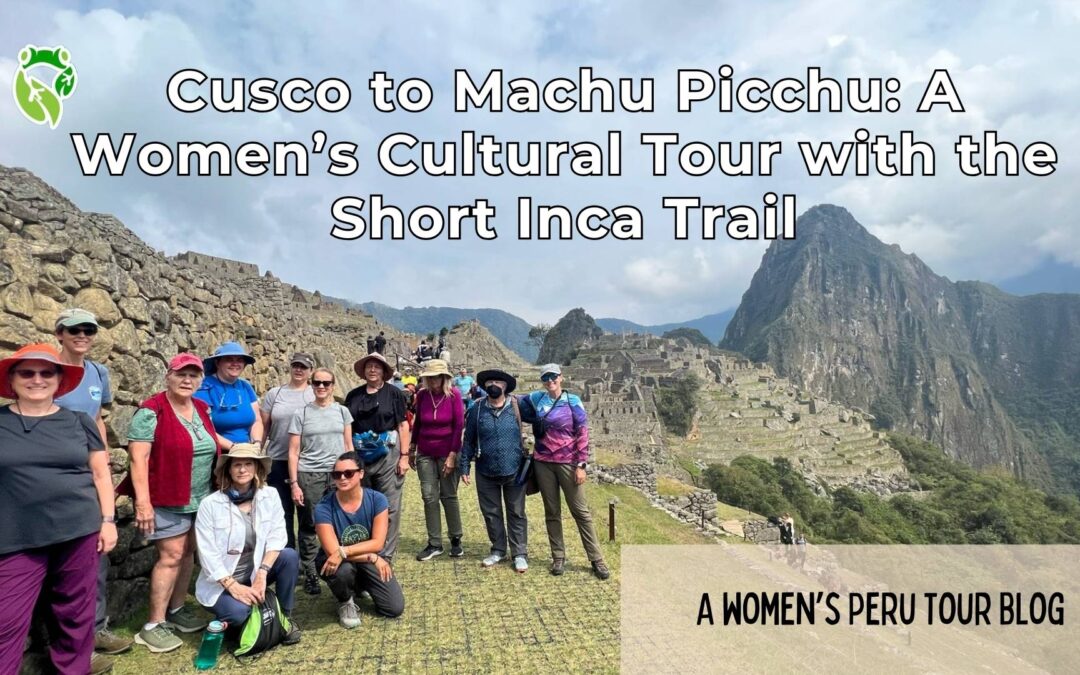
If traveling to Machu Picchu is something you’re considering, you’re likely looking for more than a quick visit; you want the right way to experience it. This women’s Peru tour weaves together culture, hiking, altitude-smart pacing, and shared connection as we move from Cusco and the Sacred Valley to Palcoyo Rainbow Mountains and the Short Inca Trail into Machu Picchu.
Along the way, you’ll discover that Peru is not just a destination, but a living cultural landscape. For generations, the Quechua people thrived under the rule of the Inca, a leader who understood—perhaps better than anyone—the energy of the mountains, the earth, and the sun. What can seem like ancient history at first becomes something much more present once you land in Cusco and begin walking its streets.
This women’s journey through Cusco, the Sacred Valley, and Machu Picchu is built around that understanding. Each experience connects directly to how Quechua culture has endured—through land stewardship, shared knowledge, and intentional movement across the Andes. Over the course of the tour, women not only learn about Peru together, they begin to trust one another—shaped by the places they move through and the meaning those places carry.
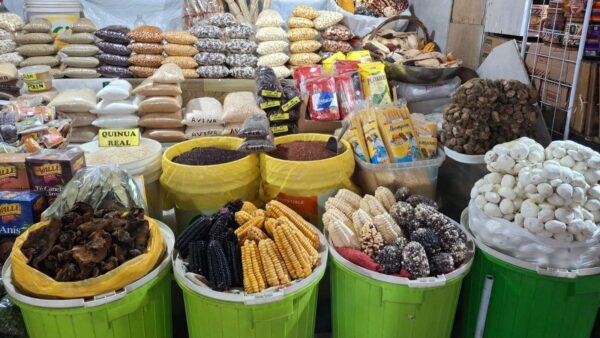
Food, Markets, and a Grounded Beginning in Cusco
In the Andes, food is one of the most direct ways culture is lived and remembered. Markets reflect elevation, season, and region, while recipes carry knowledge passed down through families rather than written instruction.
The journey begins in San Pedro Market, grounding the group in daily Peruvian life from the start.
“Chef Ronal took us through the San Pedro Market to stock up on fresh ingredients, then back to the kitchen for trout ceviche, lomo saltado, and pisco sours.”
This beginning is intentional. Cusco sits at 11,200 feet, and the first days are designed to help women acclimate gradually while staying engaged. Cooking together allows bodies to adjust while minds stay present—learning through hands-on experience rather than exertion.
Participants are prepared in advance with practical steps to help prevent altitude sickness—hydrating well, pacing activity, consulting with a doctor if needed—and are introduced to local practices such as coca tea, which is commonly used in the Andes to help ease altitude-related discomfort.
“Not my first time shaking a pisco sour in Cusco, but it never gets old. (They just hit different up here.)”
Even a single ingredient carries history.
“Here’s a fun fact to go with it: Peru has over 4,000 varieties of potatoes.”
That diversity reflects centuries of farming knowledge developed across microclimates—an example of Quechua ingenuity shaped by patience and observation rather than force.
By the end of the day, strangers begin to feel like a group.
“Great food, lots of laughter, and a team ready for the adventure ahead.”
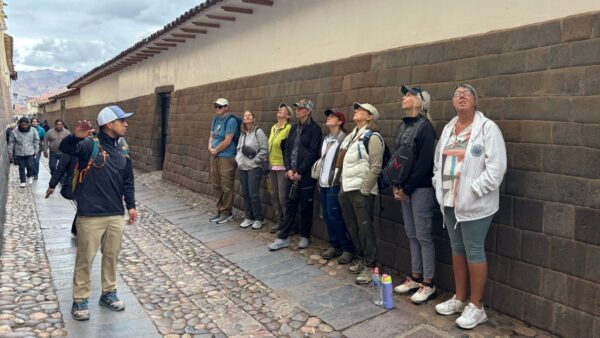
Cusco: Walking the City With Intention
Cusco was once the spiritual and political center of the Incan world, and that foundation still shapes the city today. Streets, temples, and plazas remain aligned with ceremonial and astronomical systems that guided Andean life.
The walking tour through Cusco is designed not only for learning, but for acclimatization. Moving through the city on foot allows women to adapt to the altitude at a steady pace, with time to pause, observe, and ask questions.
As the group explored the Sun Temple, the San Blas neighborhood, and local markets, Tracey noted how alive the city felt.
“Everywhere we turned, the city was alive with color, energy, and tradition.”
This slower rhythm supports both physical adjustment and group connection. The day closes beneath a full moon, echoing the celestial cycles that remain meaningful in Quechua culture.
“The day closed with a full moon over Cusco, the perfect ending before we head to the altitude of the beautiful Palcoyo Mountains.”
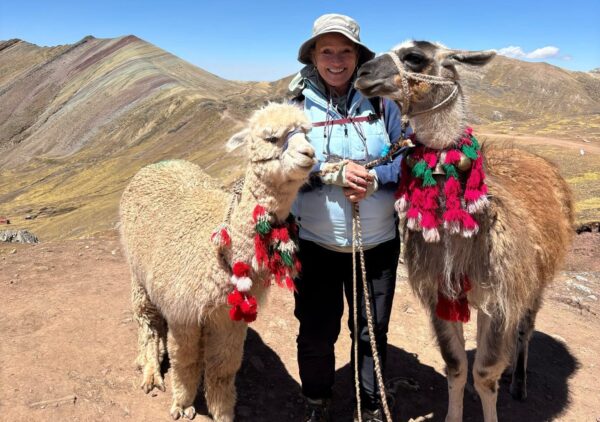
Walking Among the Apus in the High Andes
In Quechua worldview, mountains are Apus—protective beings that shape both landscape and belief. Traveling through them carries meaning beyond distance or elevation.
The journey into the Andes takes the group to Palcoyo, a lesser-known rainbow mountain region chosen for its openness and scale.
“Yesterday took us high into the altitude and beauty of the Peruvian Andes, to the incredible Palcoyo Mountains.”
Here, the challenge comes from sustained effort rather than crowds or chaos. The landscape invites focus, and the group moves together with care.
“Our group tackled a 2.5-mile climb through colorful switchbacks and made it to the rock garden with smiles (and llama poses) to spare.”
Our group was fortunate to have a clear day, with Ausangate fully in view—a bright bump of white rising above the rainbow-colored slopes, a powerful reminder of why this mountain is so deeply revered by the Quechua people.
Moments like this deepen trust. Women learn how each other moves, rests, and pushes forward—building quiet confidence that carries into the days ahead.
Sacred Valley: Knowledge Held by Women, Land, and Stone.
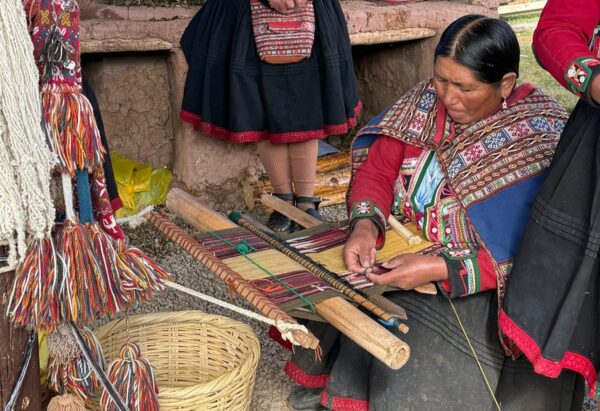
The Sacred Valley offers some of the clearest expressions of Quechua continuity, beginning in Chinchero, where local women welcome the group into their weaving community.
“They showed us every step of the process, spinning baby and adult alpaca fibers into yarn, dyeing them with natural colors… and then weaving intricate patterns that tell stories of their heritage.”
Textiles here are not decoration; they are language—communicating identity, lineage, and place.
“Seeing centuries-old traditions alive and thriving was unforgettable.”
The day continues through the Salineras salt terraces, still worked by families today, and Moray, the Incan agricultural laboratory.
“Moray… designed to test crops at different microclimates, a true engineering phenomenon.”
That evening, the group shares a Pachamanca—an underground feast cooked with hot stones that has been cooked underground. Sharing the meal becomes an act of gratitude toward Pachamama and a moment of collective reflection.
“Sharing that meal together was the perfect way to close such a rich day.”
The Short Inca Trail: For Women Who Want to Walk Into Machu Picchu
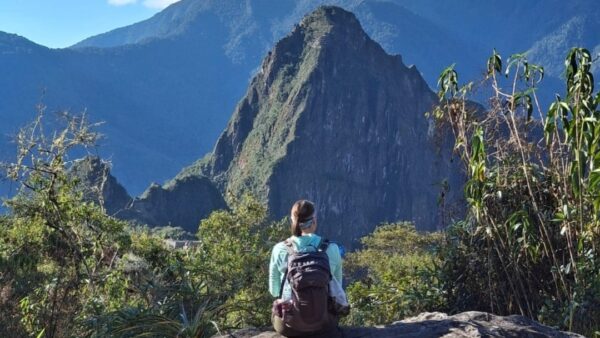
Many women come to Peru because they want to experience Machu Picchu in a more active, immersive way—by walking part of the Inca Trail and engaging with the landscape step by step.
Women who choose the Short Inca Trail want effort with meaning. They want to hike original stone paths, move through cloud forest, and arrive at Machu Picchu on foot—without camping or carrying heavy packs.
“We set out from our Ollantaytambo hotel this morning to catch the 6:10 AM train to mile marker 104 to begin the 8-mile Short Inca Trail.”
This route offers depth without excess.
“While the full Inca Trail is 26 miles and takes four days, this shorter version packs in just as much history and scenery in a single day.”
The trail winds through original stone steps, orchids, bromeliads, and Incan sites rarely seen by those who arrive by train.
“We walked on original Incan stone steps… passed through lush cloud forest filled with orchids and bromeliads.”
At Wiñay Wayna, terraces cascade down the mountainside.
“Believed to have been an important agricultural and ceremonial center.”
Challenging sections like the monkey steps require trust and teamwork.
“Our group tackled it with grit, laughter, and a lot of teamwork.”
By the time the group reaches Inti Punku, the Sun Gate, that trust is firmly established.
“Stepping through this ancient entrance and catching our first glimpse of Machu Picchu spread out below was the perfect reward for a long, hot hike.”
Machu Picchu: Access, Context, and Shared Understanding
For those who come to Peru to see Machu Picchu, the experience can feel brief or overwhelming. Approached after days of learning, walking, and shared effort, it feels different.
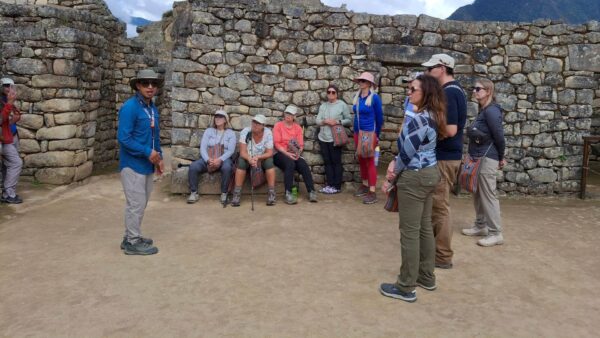
Our group’s guide leads us through the ancient city—the same guide who has been with us from Cusco, along the Inca Trail, and all the way to Machu Picchu—giving the experience a sense of continuity and community.
Machu Picchu is divided into ticketed circuits that allow access to different sections of the site. With those details handled in advance, women are free to focus on understanding how the city functioned and why its placement mattered, rather than worrying about logistics or what they might miss.
Seen this way, Machu Picchu feels cohesive—part of a journey already underway.
Why This Cultural Tour Stays With Women
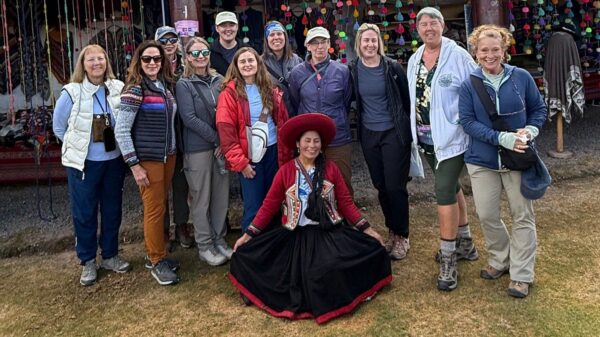
This tour resonates with women who value preparation, shared learning, and meaningful challenge. Over the course of the journey, the group grows into something steady—women who trust one another, support one another, and are personally impacted by the energy and importance of the places they visit.
Women leave not just having seen Peru, but having felt its cultural depth, walked its sacred paths, and shared the experience with others who were equally open to learning.
That kind of journey stays with you.
Ready to Experience Peru This Year?
We offer this Women’s Peru Cusco, Sacred Valley, Machu Picchu & Short Inca Trail tour this year for women who want to experience Peru with depth, preparation, and care. If this journey speaks to you, we invite you to explore the details, dates, and availability—and consider joining us for a cultural experience shaped by place, history, and shared connection.
View this year’s tour HERE